Modular Kitchen vs Carpenter Kitchen: Honest Comparison for Indian Homes
Ammon Marketing
Authorized Kutchina Dealer · Ranchi
01 Jul 2026
~ read
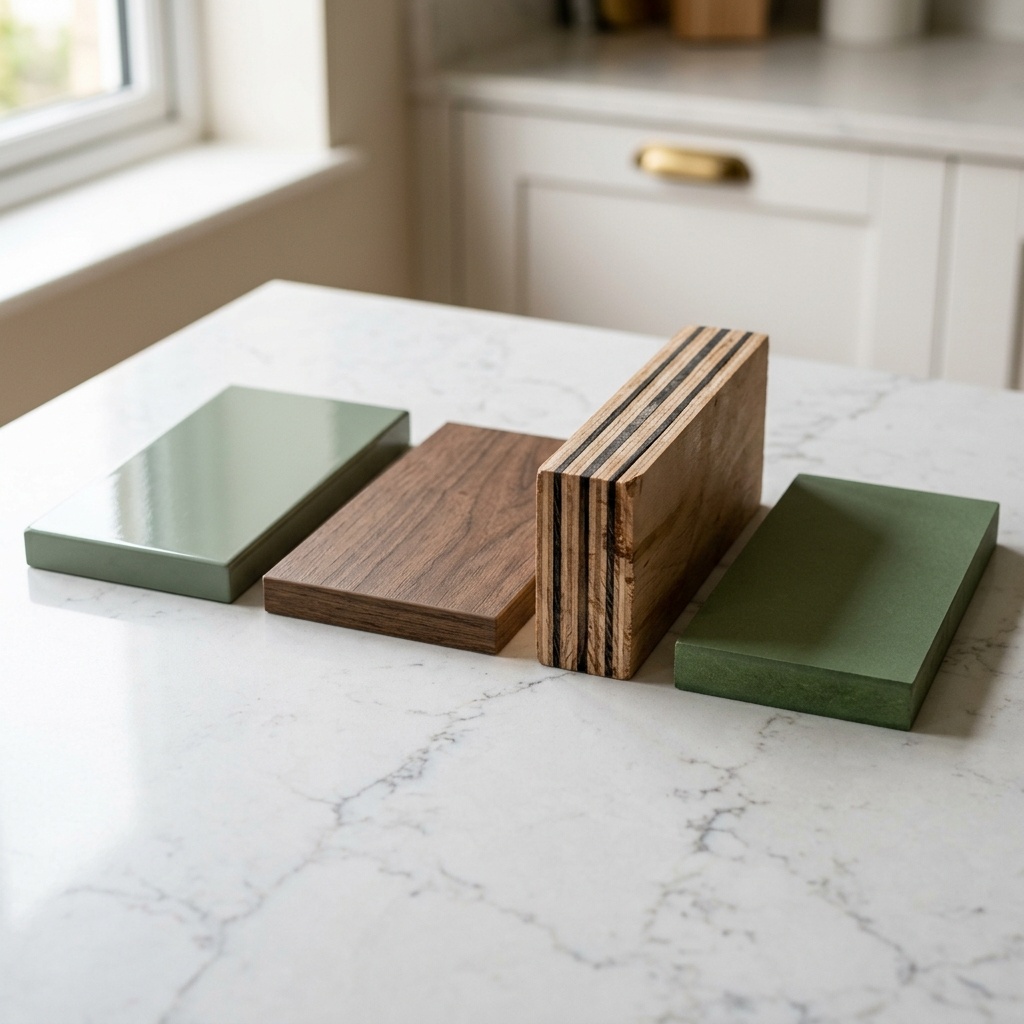
TL;DR
- Modular kitchen costs 20–30% more upfront but is often cheaper over 10 years — because it doesn't need a full redo and comes with a written warranty
- Carpenter kitchen takes 25–60 days to build; modular kitchen is installed in 7–14 days
- Factory-made modules give consistent quality regardless of who assembles them; carpenter quality varies with the individual
- A carpenter will rarely give you a written warranty; an authorized modular kitchen dealer gives you 5–10 years in writing
Quick Answer: For most Indian homeowners, a modular kitchen from an authorized dealer is better than a carpenter kitchen when evaluated on a 10-year basis. The upfront premium (20–30%) is offset by a written warranty, faster installation, consistent quality, and the ability to replace individual modules — rather than doing a full expensive redo after 7–8 years.
The carpenter vs modular question is one of the most debated topics in Indian home renovation. Both sides have genuine arguments. This comparison gives you the honest picture — including when a carpenter kitchen actually makes sense.
Understanding the Real Difference
The core distinction is where and how the kitchen is built. A modular kitchen is manufactured in a controlled factory environment — every box is cut, drilled, and assembled by machine to exact tolerances. A carpenter kitchen is built from raw wood at your home — every cut, join, and finish depends on the person doing it that day.
A skilled carpenter can do excellent work. The issue is consistency. A good carpenter having an off day, using a different wood batch, or getting measurements slightly wrong gives you a kitchen that's slightly off. With factory production, you get the same result every time.
Side-by-Side Comparison
| Factor | Modular Kitchen | Carpenter Kitchen |
|---|---|---|
| Upfront cost (L-shaped) | ₹1,50,000–₹3,50,000 | ₹1,00,000–₹2,50,000 |
| Installation time | 7–14 days | 25–60 days |
| Workers in home | 2–3 days of installation team | 4–8 weeks of daily workers |
| Quality consistency | Factory precision, same every time | Depends on carpenter and materials that day |
| Written warranty | 5–10 years (authorized dealers) | Rarely — usually verbal at best |
| After-sales service | Structured service team | Carpenter may or may not be reachable |
| Customisation | Modular options + limited custom sizes | Fully custom dimensions possible |
| Module replacement | Individual cabinet replaceable | Usually requires full demolition |
| 10-year total cost | ₹2,00,000–₹3,50,000 (warranty covers repairs) | ₹2,50,000–₹5,00,000 (includes likely partial redo) |
| Material traceability | Known, certified material specifications | Depends on what carpenter sources that day |
| Finish quality | Factory-applied, uniform | Hand-applied, varies with skill |
| Hardware | Branded soft-close available (Hettich, Hafele) | Whatever carpenter can source locally |
The 10-Year Cost Reality
Most cost comparisons stop at upfront price. This is where the carpenter kitchen looks more attractive. But the full picture is different.
A carpenter kitchen without branded hardware typically needs significant repairs within 5–7 years — hinges fail, drawers stop sliding, laminate peels at corners. After 8–10 years, a full redo is often the only practical option, costing almost as much as the original investment.
A modular kitchen with a 10-year warranty from an authorized dealer covers hardware and finish failures during that period. Individual modules can be replaced without tearing down the whole kitchen. The 10-year total cost is typically lower despite the higher starting point.
Important: Not all modular kitchens come with strong warranties. A local manufacturer calling themselves "modular kitchen supplier" without brand authorization may give you a 1-year warranty on paper. An authorized Kutchina dealer gives you 10 years with a service team in your city. Always verify warranty terms in writing before signing.
Timeline: How Disruptive Is Installation?
This is a bigger practical factor than most people consider. A carpenter kitchen means 25–60 days of workers in your home — daily sawing, drilling, sanding, painting, and the smell of chemicals and raw wood. Your kitchen is unusable, and the rest of your home fills with dust.
A modular kitchen typically means 7–10 days from order to installation, with the actual installation team working 2–3 days. Less disruption, cleaner process, and you get your kitchen back faster — especially important in apartments where noise affects neighbours.
When a Carpenter Kitchen Still Makes Sense
- Non-standard dimensions: If your kitchen has very unusual angles, curved walls, or odd-sized spaces that standard 600mm modular units can't accommodate, a carpenter can custom-fit every piece.
- Tight budgets under ₹80,000: If your budget is genuinely below ₹80,000 for the full kitchen, a local carpenter offers more flexibility.
- Matching existing furniture: If you need to match exact joinery patterns or materials already in the home, a skilled carpenter can replicate them in ways that modular units cannot.
- Specific regional aesthetics: Traditional kitchen designs that don't align with standard modular aesthetics may be better served by a skilled local craftsman.
Frequently Asked Questions
Is modular kitchen better than carpenter kitchen in India?
Yes, for most Indian homeowners evaluating on a 10-year basis. Modular costs 20–30% more upfront but saves money over time through warranty coverage, lower maintenance, and individual module replacement. The advantages in installation time (2–3 days vs 4–8 weeks), quality consistency, and written warranty make modular the better choice for most budgets above ₹1 lakh.
How much cheaper is a carpenter kitchen vs modular?
A carpenter kitchen typically costs 20–35% less upfront than a comparable modular kitchen. For an L-shaped kitchen: carpenter might cost ₹1,20,000–₹2,00,000 vs modular at ₹1,80,000–₹3,00,000. However, factor in the 10-year cost — carpenter kitchens often need significant repairs or partial redo after 7–8 years, which can add ₹60,000–₹1,50,000 to the total.
Does a carpenter kitchen last as long as a modular kitchen?
A skilled carpenter using good materials can build a kitchen that lasts 15–20 years. But in practice, most carpenter kitchens in India use inconsistent materials and hardware, leading to significant wear within 5–8 years. A modular kitchen from an authorized dealer with HDHMR or BWR plywood carcass and Hettich/Hafele hardware consistently lasts 15–20+ years.
Can a carpenter make a modular-style kitchen?
A carpenter can create a kitchen that looks like a modular kitchen — cabinet doors, drawers, handles. But it won't be modular in the true sense: it won't have factory-made boxes with standardised dimensions, and individual modules won't be interchangeable. The result may look similar on day one but will differ significantly in quality consistency and repairability.
Is modular kitchen worth the extra cost in India?
Yes, if you value a written warranty, faster installation with less disruption, and lower total cost of ownership over 10 years. Comparing a quality modular kitchen with an authorized dealer against a carpenter using premium materials and branded hardware, the modular kitchen's premium is justified by the warranty and service infrastructure alone.
What warranty does a modular kitchen come with?
An authorized modular kitchen dealer offers 5–10 years of written warranty covering manufacturing defects, hardware failure, and finish issues (peeling, delamination). Ammon Marketing — Ranchi's authorized Kutchina dealer — provides a 10-year warranty with a local service team. Always ask for the warranty in writing and verify what specifically is covered before signing the contract.
How long does a modular kitchen vs carpenter kitchen take to install?
Modular kitchen: 7–14 days from order to installation (with 2–3 days of actual installation at your home). Carpenter kitchen: 25–60 days of active work at your home, plus curing time for paint and varnish. The modular timeline is significantly shorter and less disruptive — especially important in apartments where daily worker presence affects neighbours.
Is it ok to do modular kitchen by local carpenters?
Local carpenters can build cabinets that function like modular units, but they cannot replicate factory manufacturing quality, material certification, or brand warranty. If cost is the constraint, choosing a local carpenter with quality materials and branded hardware (Hettich or Hafele) is a reasonable compromise — just don't expect the same consistency or warranty protection as an authorized brand dealer.
Key Takeaways
- Modular costs 20–30% more upfront but is cheaper over 10 years — warranty coverage and individual module replacement eliminate the expensive full redo that carpenter kitchens often need
- Installation time: 7–14 days for modular vs 25–60 days for carpenter — a major practical advantage, especially in apartments
- Factory-made modules give consistent quality regardless of who assembles them; carpenter quality varies with the individual's skill and materials sourced that day
- A carpenter kitchen can make sense for very unusual dimensions, budgets below ₹80,000, or traditional aesthetic requirements that standard modules can't meet
- Always verify the warranty in writing — a true authorized dealer warranty is one of the strongest arguments for choosing modular over carpenter
See These Ideas in Real Homes
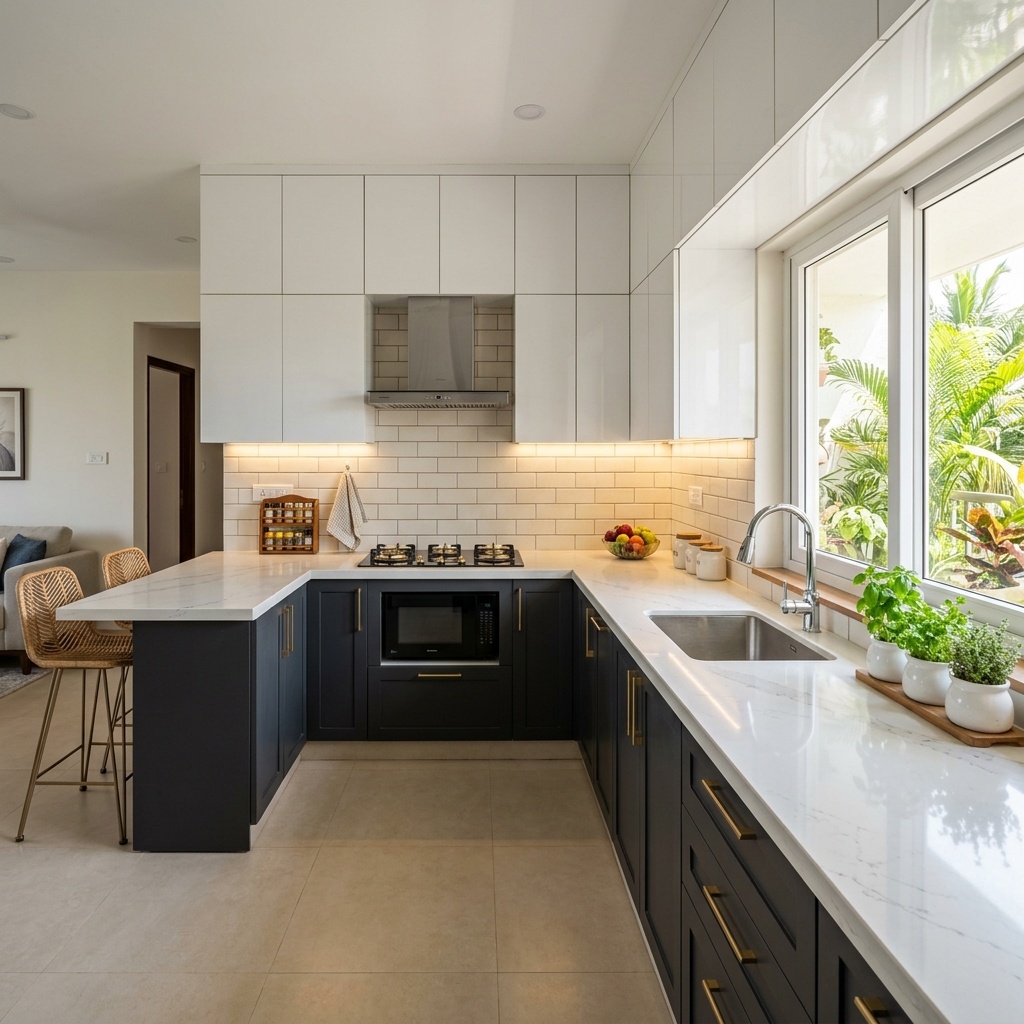
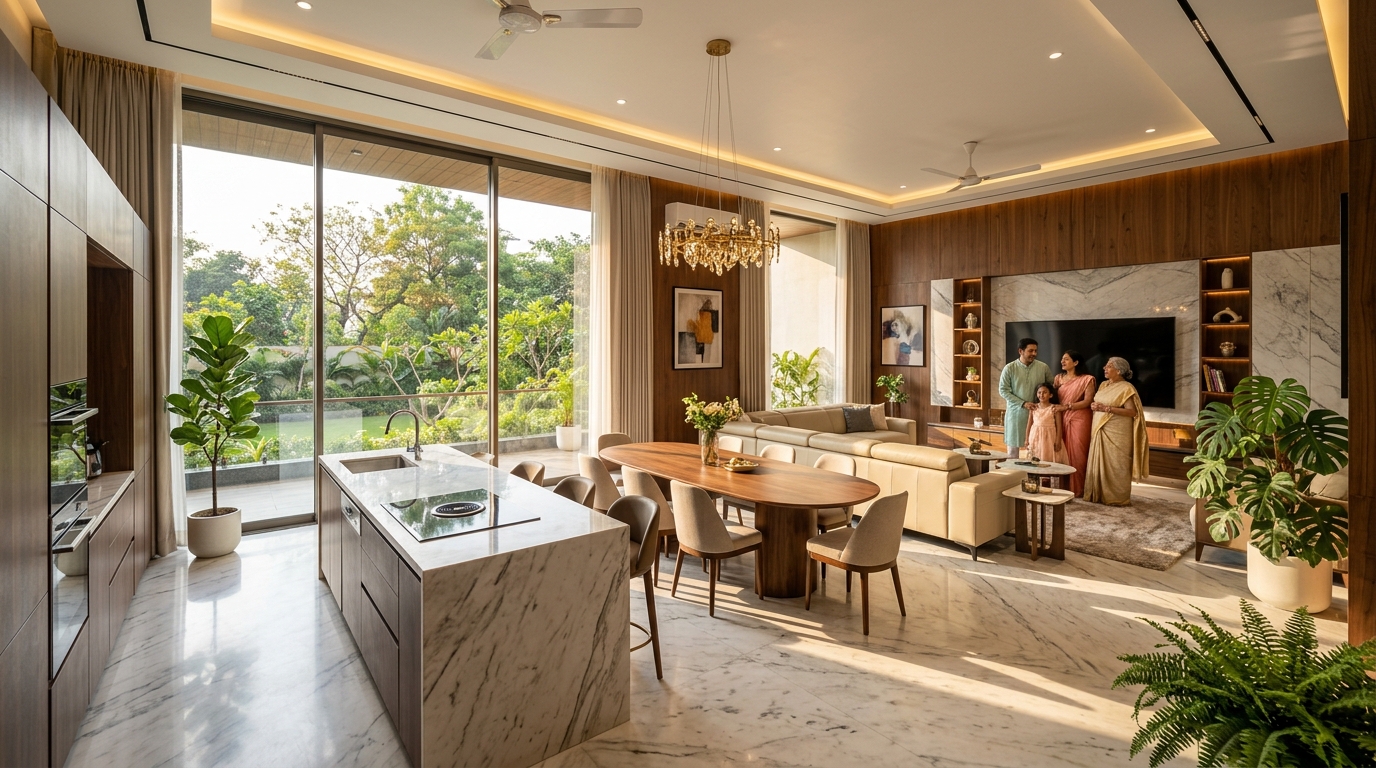

Free · No Obligation
Talk to Our Design Experts
Ammon Marketing Editorial Team
Authorized Kutchina Dealer · Ranchi · Est. 2014
Our guides are written by Ranchi-based kitchen designers and appliance experts with 10+ years of on-the-ground experience. Every recommendation is based on real projects completed in Jharkhand homes — not generic advice from outside the region.